- by Niyi Busari ,
- Jul 10, 2026

AFCON 2025 Generates €1.5bn Boost For Morocco Despite Final Defeat
-
- by Niyi Busari,
- Jan 28, 2026
- in CAF Competition
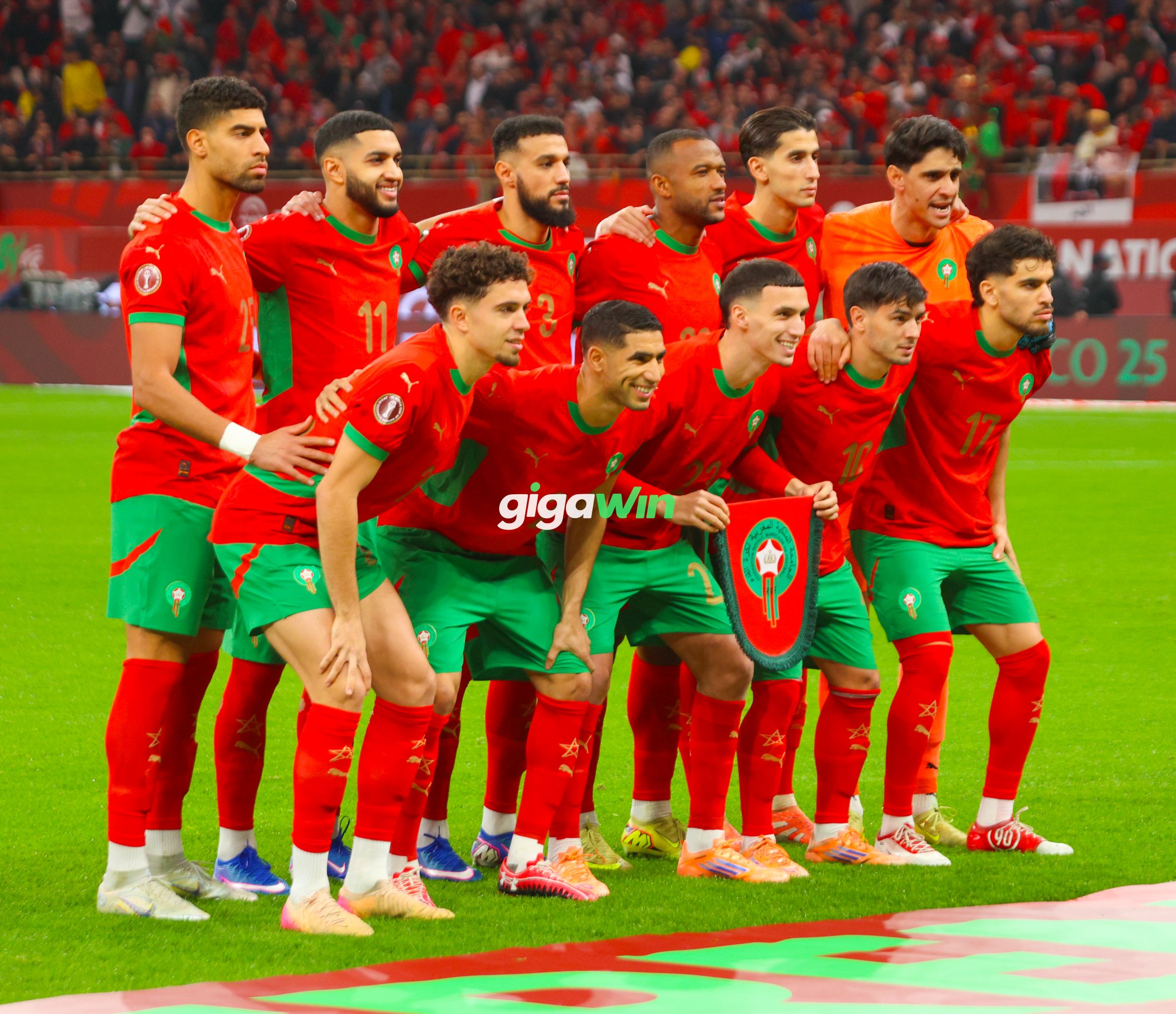
Atlas Lions of Morocco
AFCON 2025 Generates €1.5bn Boost For Morocco Despite Final Defeat
By Admin
Morocco’s narrow 1–0 defeat to Senegal in the 2025 Africa Cup of Nations (AFCON) final at Prince Moulay Abdellah Stadium was a bitter sporting blow, particularly after the Atlas Lions dominated large stretches of the match on home soil.
For supporters, the loss revived memories of a continental title drought stretching back to 1976. Yet beyond the disappointment on the pitch, the tournament has delivered a significant economic and infrastructural dividend that Moroccan authorities describe as transformative.
According to Industry and Commerce Minister Ryad Mezzour, Morocco generated more than €1.5 billion (approximately MAD 16 billion) in direct revenues from hosting the 24-team tournament. Speaking to Spanish news agency EFE, Mezzour said the proceeds have already financed nearly 80 per cent of the infrastructure required for the 2030 FIFA World Cup, which Morocco will co-host with Spain and Portugal.
Mezzour pointed to what he termed a “double effect” of revenues and investment, driven in part by an estimated 600,000 visitors who travelled to the country specifically for AFCON. The influx contributed to a record tourism year, with Morocco welcoming 20 million visitors in total, an increase of 14 per cent compared to the previous year.
The surge in arrivals boosted transport, hospitality, restaurants and traditional handicrafts, injecting immediate liquidity into the local economy.
The government invested €2.3 billion in the tournament, an outlay Mezzour described as a “sovereign investment” with long-term benefits. The programme included the construction or renovation of nine stadiums, alongside upgrades to road networks, airports and public services.
“We gained a decade of development in 24 months and provided the kingdom with infrastructure that will serve citizens for the next 50 years,” Mezzour said.
Morocco’s rapid expansion of its tourism sector—nearly tripling visitor numbers over the past two decades—has positioned the country as an emerging challenger to traditional European destinations, including Spain. Employment gains have been a key component of the tournament’s legacy, with more than 100,000 jobs created.
“These are not just temporary jobs,” Mezzour said. “Thousands of young people have been trained to international standards, acquiring skills that will remain relevant well beyond 2025.”
More than 3,000 industrial companies were involved in the construction and logistics works associated with the tournament.
AFCON 2025 also accelerated Morocco’s technological transformation. The event spurred the rollout of 5G networks, digital identification systems, online ticketing platforms and advanced cybersecurity solutions. Authorities say these measures reduced logistical costs and enhanced the country’s appeal to future investors.
In an interview with France 24 on January 19, Mezzour acknowledged the disappointment of losing the final but described the tournament as “one of the most profitable AFCONs in history” for both the Confederation of African Football (CAF) and the host nation.
He cited consumption growth of between 25 and 30 per cent in the commercial sector and projected national economic growth exceeding 4.5 per cent. According to government estimates, the tournament produced a revenue and investment multiplier effect of 1.82.
CAF also recorded unprecedented financial gains. Tournament revenues surpassed those of AFCON 2023 in Ivory Coast by more than 90 per cent, with projected earnings of $192.6 million and net profits estimated at $113.8 million, compared to $72 million from the previous edition.
Morocco 2025 expanded CAF’s commercial reach into new markets, particularly China and Japan, while consolidating its position in traditional markets. The number of commercial partners rose from nine sponsors in Cameroon 2021 to 17 in Ivory Coast 2023, and to 23 in Morocco.
Under CAF’s revenue-sharing model, Morocco was expected to receive roughly 20 per cent of broadcast and sponsorship income—initially estimated at $22.5 million—though officials believe the final figure could be higher given the scale of the economic impact.
Authorities say nearly 80 per cent of the required sports-related investments for the 2030 World Cup have already been completed and largely recouped. The remaining projects include extending the high-speed rail line from Casablanca and Tangier to Marrakech and Agadir, expanding hotel capacity, and constructing the Grand Stadium of Casablanca.
While the AFCON trophy ultimately slipped through Morocco’s grasp, the tournament has laid a robust foundation for the country’s World Cup ambitions and delivered far-reaching economic benefits across multiple sectors.

you may also read


- by Sampson Adedeji ,
- Jul 10, 2026
CAFCL: Shooting Stars Receive Boost As CAF Set To Discuss ...
- by Sampson Adedeji ,
- Jul 09, 2026
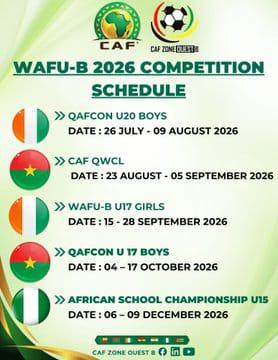
WAFU B Revises Calendar For 2026
- by Niyi Busari ,
- Jul 06, 2026
NFF Maps Out WAFCON Preparations With One-Week Morocco Camp

- by Admin ,
- Jul 03, 2026

0 Comments:
Leave a Reply