- by Admin ,
- Aug 17, 2026
.jpg.jpeg)
AFCON 2025 Windfall Covers 80% Of 2030 World Cup Infrastructure Costs - Moroccan Govt
-
- by Niyi Busari,
- Mar 23, 2026
- in Football
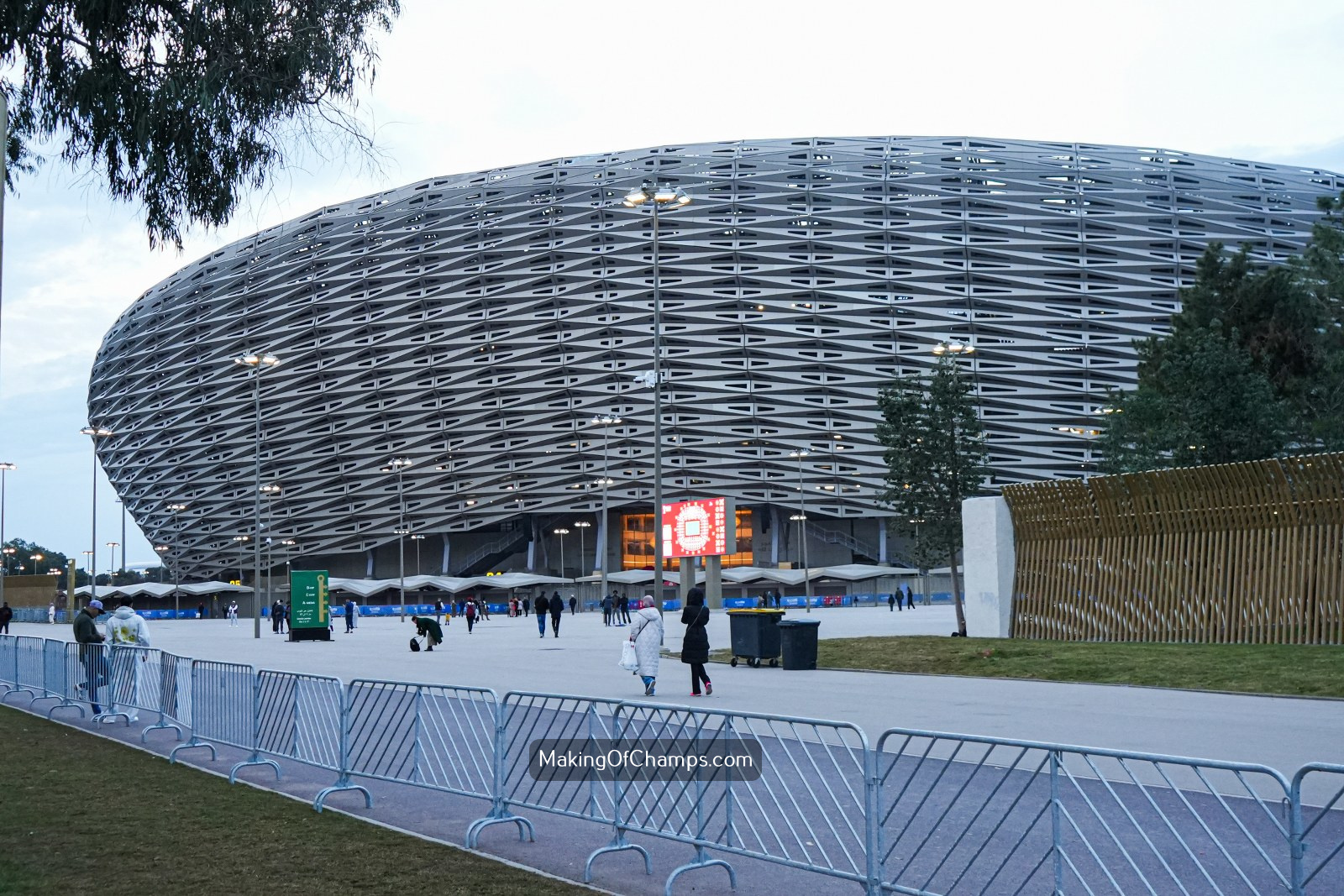
AFCON 2025 Windfall Covers 80% Of 2030 World Cup Infrastructure Costs - Moroccan Govt
By Niyi Busari
Morocco’s narrow 1–0 defeat to Senegal in the AFCON 2025 final at Prince Moulay Abdellah Stadium delivered a bitter sporting outcome for the host nation, underscoring football’s capacity for cruel finales.
Despite dominating much of the contest, the Atlas Lions were undone by Senegal’s clinical efficiency, leaving home supporters devastated as the long-awaited continental title slipped away on Moroccan soil.
Yet beyond the disappointment on the pitch, Morocco’s hosting of Africa’s premier football tournament has yielded significant economic gains, reframing the narrative from sporting heartbreak to national achievement.
According to Industry and Commerce Minister Ryad Mezzour, direct revenues from the tournament exceeded €1.5 billion (MAD 16 billion). In remarks to Spanish news agency EFE, Mezzour noted that these returns have already financed approximately 80% of the infrastructure required for the 2030 FIFA World Cup, which Morocco will co-host with Spain and Portugal.
The minister described a “double effect” of revenue generation and investment, driven by an estimated 600,000 visitors who traveled specifically for the tournament. Their presence contributed to a record year for Moroccan tourism, with total arrivals reaching 20 million — a 14% increase.
This surge stimulated key sectors including transport, hospitality, dining, and handicrafts, injecting immediate liquidity into the national economy.
Morocco invested roughly €2.3 billion in tournament-related infrastructure, which Mezzour characterized as a long-term “sovereign investment.” The upgrades included the construction and renovation of nine stadiums, as well as improvements to roads, airports, and public services.
“We gained a decade of development in 24 months,” Mezzour said, emphasizing that the infrastructure will serve the country for decades to come.
The tournament also accelerated Morocco’s broader economic ambitions. The country’s tourism sector — which has tripled in size over the past two decades — is increasingly positioned to rival established European destinations such as Spain.
Employment gains have been another key outcome, with more than 100,000 jobs created. Officials stressed that many of these roles extend beyond temporary work, with thousands of young workers receiving training aligned with international standards, enhancing long-term employability. More than 3,000 industrial firms were involved in tournament-related construction projects.
AFCON 2025 also acted as a catalyst for technological advancement. Initiatives included the rollout of 5G networks, digital identification systems, online ticketing platforms, and enhanced cybersecurity infrastructure — developments that reduced operational costs while attracting new investment.
In a January 19 interview with France 24, Mezzour acknowledged the disappointment of the final result but described the tournament as “one of the most profitable AFCONs in history” for both the Confederation of African Football (CAF) and the host nation.
He cited a 25–30% increase in commercial sector consumption and projected national economic growth exceeding 4.5%. The overall return on investment, he said, reached a multiplier effect of 1.82.
Globally, the tournament drew an audience of approximately 2 billion viewers and generated 10 billion social media impressions, showcasing Morocco’s organizational capacity on an international stage.
Looking ahead, about 80% of the country’s required sports infrastructure for the 2030 World Cup has already been completed. Remaining projects include extending the high-speed rail line from Casablanca–Tangier to Marrakech and Agadir, expanding hotel capacity, and constructing the Grand Stadium of Casablanca.
CAF also reported record-breaking financial results. Revenues from AFCON 2025 exceeded those of Ivory Coast 2023 by more than 90%, supported by expansion into new markets such as China and Japan. The number of commercial sponsors rose from nine in 2021 to 23 in 2025.
Total tournament revenues are projected at $192.6 million, with net profits estimated at $113.8 million — a substantial increase from $72 million in the previous edition. Morocco’s share of broadcast and sponsorship income, initially projected at $22.5 million, is expected to rise further.
While the final result remains a source of national disappointment, Morocco’s success as host has laid a strong economic and infrastructural foundation for the 2030 World Cup, marking AFCON 2025 as a transformative moment for the country.

you may also read
- by Sampson Adedeji ,
- Aug 14, 2026
Gold Cup 2026: Ikorodu City, Inter Lagos Share Spoils In ...

- by Admin ,
- Aug 11, 2026
Owu Sportswear Reactivates Partnership With Ogunjobi Gold Cup Tourney

- by Lastborn ,
- Aug 06, 2026
African Footballer Beaten To Death
- by Lastborn ,
- Aug 06, 2026
AAYK Nig Ltd Reactivates Partnership With Gold Cup Tourney
- by Niyi Busari ,
- Aug 06, 2026
WAFU B U17 Championship: Golden Eaglets Open Abuja Camp With ...

- by Admin ,
- Aug 04, 2026
Gold Cup Adopts League Phase Format for Landmark 2026 Edition
- by Niyi Busari ,
- Jul 30, 2026
Renewed Hope Unity Cup To Feature Grassroots Teams From All ...

- by Lastborn ,
- Jul 29, 2026
0 Comments:
Leave a Reply