- by Admin ,
- Jul 30, 2026

Analysis: Key Decisions That Shaped Nigeria's 3-2 Defeat To Malawi
-
- by Niyi Busari,
- Jul 29, 2026
- in CAF Competition
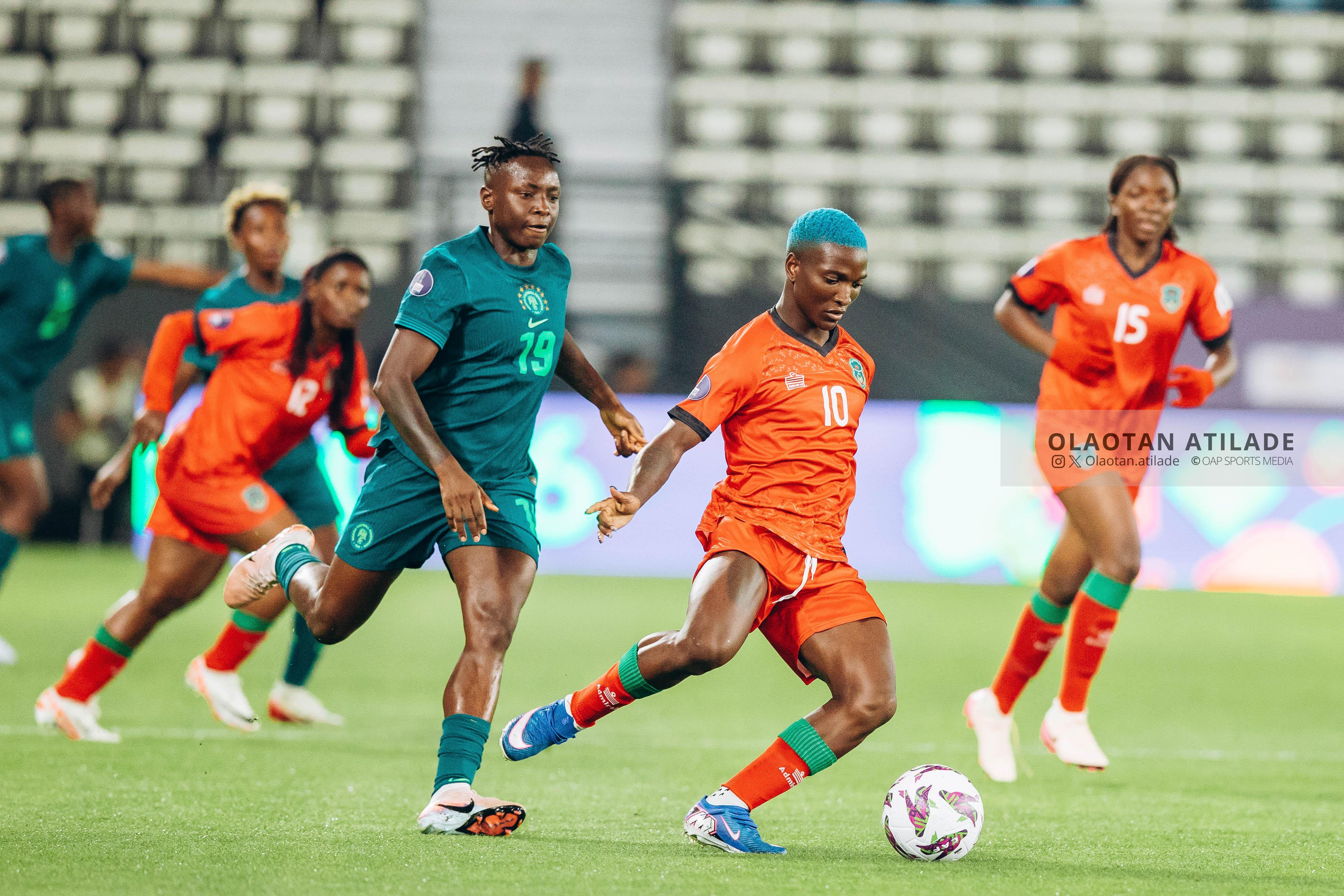
Super Falcons and Malawi in action at 2026 WAFCON
Analysis: Key Decisions That Shaped Nigeria's 3-2 Defeat To Malawi
By Our Reporter
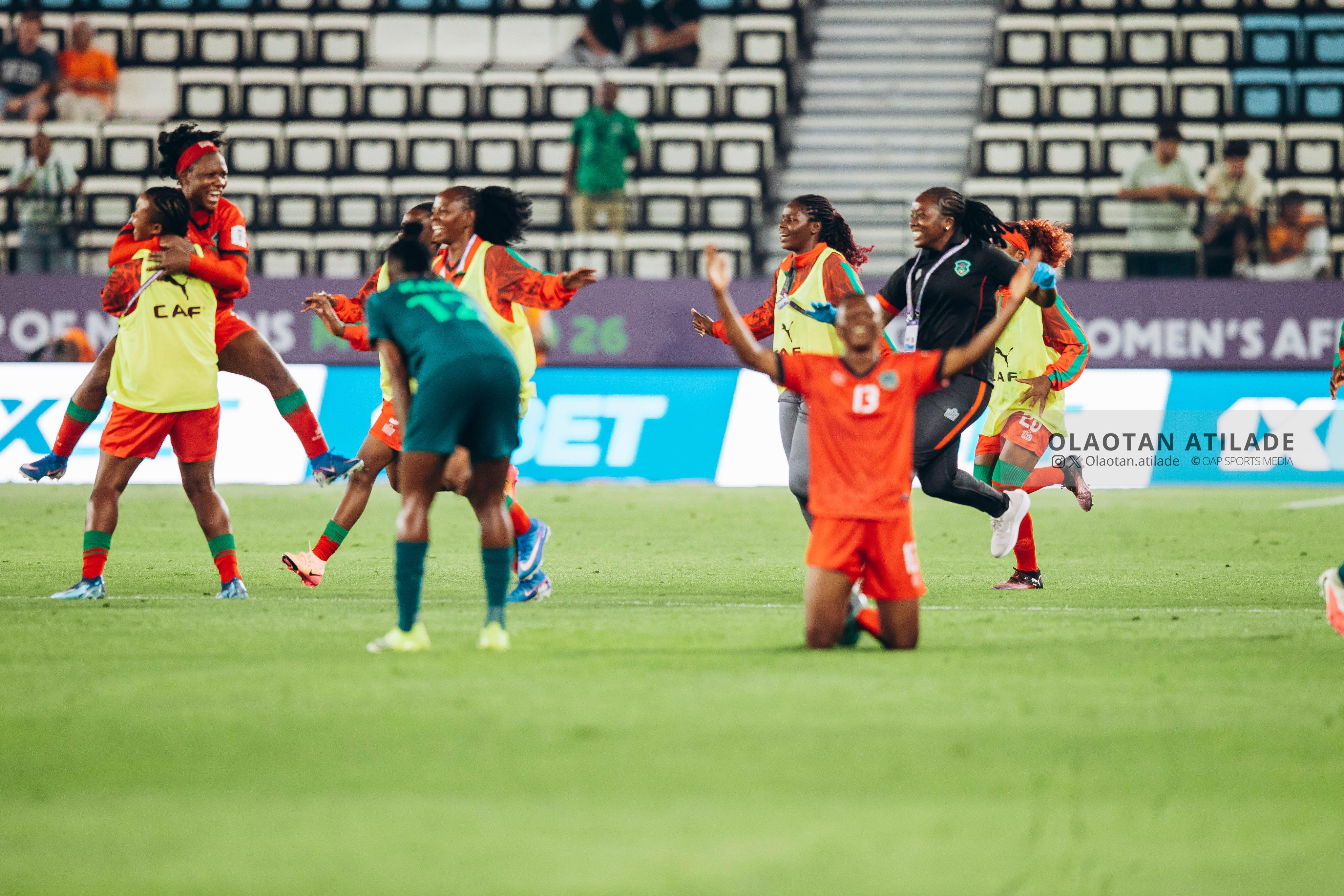
Nigeria's 2026 Women's Africa Cup of Nations campaign began on a disappointing note as the Super Falcons suffered a surprise 3-2 defeat to tournament debutants Malawi in their Group C opener, BSNSports.com.ng reports.
The 10-time African champions looked on course for at least a point after Rasheedat Ajibade converted a stoppage-time penalty to reduce the deficit, but Temwa Chawinga struck again moments later to restore Malawi's two-goal advantage. Uchenna Kanu's late goal set up a dramatic finish, but the Super Falcons ran out of time as the Scorchers secured a famous victory.
While defensive lapses and missed opportunities contributed to the result, much of the post-match discussion has centred on the tactical decisions made by head coach Justine Madugu.
One of the most debated aspects of Nigeria's setup was the deployment of Michelle Alozie at left-back instead of her preferred right-back role. Alozie has built a reputation as one of Nigeria's most reliable full-backs, particularly on the right, where her pace, defensive positioning and attacking support have consistently been valuable for both club and country.
Operating on the opposite flank appeared to limit some of her strengths while also presenting Malawi with opportunities to attack that side of the defence. The Scorchers frequently advanced down Nigeria's left, with the Chawinga sisters proving particularly influential during the decisive stages of the contest.
Although it would be difficult to attribute Malawi's victory to a single tactical decision, the defensive imbalance became one of the defining talking points after the match.
Madugu's game management has also attracted scrutiny. As Malawi grew into the contest following the opening goal, many observers expected earlier tactical adjustments to regain control of midfield and inject fresh energy into the side.
Substitutions were eventually made, but by then Malawi had established momentum and defended their advantage with increasing confidence. The changes, including the introduction of Toni Payne, were unable to alter the outcome.
Ultimately, Nigeria's defeat resulted from a combination of factors, including defensive errors, Malawi's clinical finishing and tactical execution, as well as decisions from the technical bench.
With Zambia and Egypt still to come in Group C, the Super Falcons have little margin for error. Madugu and his coaching staff will now be expected to assess the team's tactical approach, address the defensive vulnerabilities exposed by Malawi and ensure Nigeria responds strongly in its remaining group fixtures as it pursues a record-extending 11th WAFCON title.

you may also read


- by Sampson Adedeji ,
- Jul 30, 2026
Ghana, Burkina Faso Share Spoils To Leave WAFU B U-20 ...

- by Niyi Busari ,
- Jul 29, 2026
World Cup Qualification At Stake As NSC DG Charges Super ...

- by Niyi Busari ,
- Jul 29, 2026
"It's a Wake-Up Call" — Oshoala Reacts To Nigeria's Opening ...

- by Niyi Busari ,
- Jul 29, 2026
Banda Scores Four As Zambia Hammer Egypt 6-0 in WAFCON ...
- by Admin ,
- Jul 28, 2026
2 Comments:
Leave a Reply