- by Lastborn ,
- Aug 12, 2026
.jpg.jpeg)
Full List: Meet The 9-man CAF Appeal Board That Ruled In Favour Of Morocco
-
- by Niyi Busari,
- Mar 19, 2026
- in Football Politics
Full List: Meet The 9-man CAF Appeal Board That Ruled In Favour Of Morocco
By Niyi Busari
The decision by the Confederation of African Football (CAF) Appeal Board to award the 2025 Africa Cup of Nations (AFCON) title to Morocco has sparked widespread debate, placing the panel members behind the ruling under increased scrutiny, BSNSports.com.ng reports.
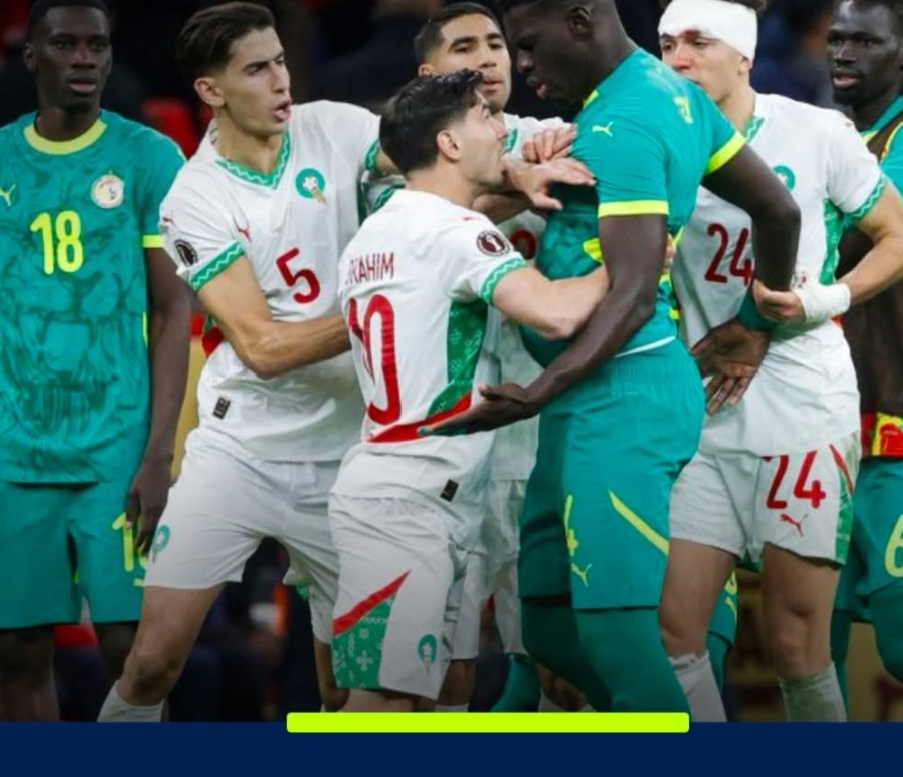
In a dramatic reversal, the CAF Appeal Board annulled the original result of the final and awarded Morocco a 3–0 victory over Senegal, citing a breach of tournament regulations by the Senegalese team.
The ruling stems from events during the January 18 final in Rabat, when Senegal’s players temporarily left the pitch in protest of a refereeing decision. CAF determined that the action constituted an unauthorized interruption under its competition rules, warranting a forfeiture.
A Nine-Member Panel at the Center of Controversy
The verdict was issued by a nine-member Appeal Board drawn from across the continent, in line with CAF’s judicial framework.
The panel is chaired by Nigerian High Court judge Roli Daibo Harriman, who has served as president of the Appeal Board since July 2023. Faustino Varela Monteiro of Cabo Verde acts as vice-president.
Other members of the board include:Moez Ben Tahar Nasri (Tunisia)
Espoir Asogbavi Komlan (Togo)
Masauko Timothy Msungama (Malawi)
Moses Ikanqa (Namibia)
Hamoud T’feil Bowbe (Mauritania)
Mohamed Robleh Djama (Djibouti)
Lubamba Ngimbi Hector (DR Congo)
The panel reviewed an appeal filed by the Royal Moroccan Football Federation, which challenged the initial disciplinary decision and requested enforcement of CAF regulations concerning match abandonment.
After reassessing the case, the board applied the relevant provisions and overturned the earlier ruling, effectively awarding Morocco the AFCON 2025 title.
Legal Challenge Expected
The decision is not expected to be the final word on the matter. Senegal is widely anticipated to escalate the case to the Court of Arbitration for Sport (CAS), setting the stage for a high-profile legal dispute.
As the situation develops, attention is likely to remain focused on both the composition of the Appeal Board and its interpretation of CAF regulations—issues that could have lasting implications for governance and disciplinary processes in African football.

you may also read
- by Niyi Busari ,
- Aug 09, 2026
3SC, Aweroro Part Ways After Historic Continental Qualification
- by Niyi Busari ,
- Aug 05, 2026
2026 NFF Election: North Central FA Chairmen Back Gusau With ...
- by Lastborn ,
- Aug 04, 2026
CAF Executive To Meet Thursday On African Club Competitions Reforms
- by Niyi Busari ,
- Jul 31, 2026
11 Comments:
Leave a Reply