- by Sampson Adedeji ,
- Jul 24, 2026

How ANOCA’s Rotational Policy Paved the Way for Uganda’s 2031 African Games Bid
-
- by Niyi Busari,
- Jun 05, 2026
- in Other Sports
How ANOCA’s Rotational Policy Paved the Way for Uganda’s 2031 African Games Bid
By Admin
Uganda’s emergence as host of the 2031 African Games has been widely attributed to the Association of National Olympic Committees of Africa’s (ANOCA) rotational hosting policy, a framework designed to ensure a more equitable distribution of the continent’s premier multi-sport event across Africa’s regions, BSNSports.com.ng reports.
Findings indicate that the East African nation benefited significantly from the policy, which seeks to broaden hosting opportunities rather than concentrating them among a small number of countries.
The decision was further influenced by Nigeria’s withdrawal from the bidding process, leaving Uganda as the sole contender for the prestigious event.
For Nigeria, support for the rotational arrangement is consistent with its long-standing contribution to the African Games movement. The country has hosted the Games on two occasions—first in Lagos in 1973 and later in Abuja in 2003—making it one of only a few nations to have staged the continental event more than once.
Other countries that have hosted the Games multiple times include Algeria, Egypt and the Republic of the Congo, highlighting their significant roles in the development of African sport.
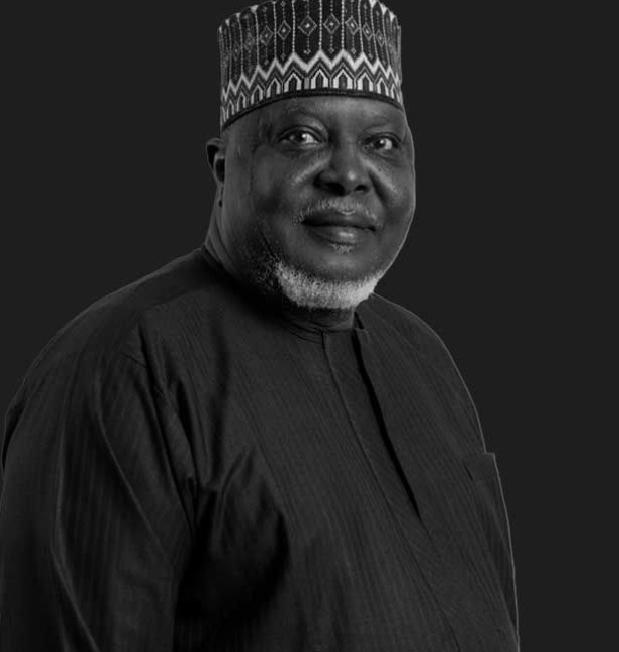
Mainasara Illo, a leading Nigerian sports administrator and former broadcaster who headed Nigeria’s bid effort, noted that the most recent editions of the Games have alternated between West and North Africa.
“Morocco hosted the Games in 2019, Ghana staged the event in 2023, while Egypt is set to host in 2027. Considering that Nigeria last hosted in 2003, it is reasonable to conclude that East Africa deserves another opportunity to welcome the continent,” Illo said.
ANOCA’s commitment to regional balance appears to have played a decisive role in Uganda’s selection.
West Africa most recently hosted the Games in 2023 through Ghana’s successful staging of the event in Accra. By contrast, East Africa has waited considerably longer for another hosting opportunity, with the region last welcoming the Games in 1987 when Kenya hosted Africa’s top athletes.
The planned 2031 edition will mark a 44-year interval since East Africa last hosted the Games, strengthening the region’s case for a return to the continental sporting spotlight.
Consequently, Uganda’s successful bid is being viewed as both recognition of the region’s patience and a reflection of ANOCA’s commitment to inclusivity, regional representation and the balanced development of sport across Africa.
Illo, who also chaired Nigeria’s bid committee for the 2030 Commonwealth Games and served on the Local Organising Committee for the 2009 FIFA U-17 World Cup hosted by Nigeria, disclosed that the rotational policy was originally expected to take effect from 2035 but was subsequently brought forward to 2031.
He expressed confidence in Uganda’s ability to successfully stage the Games and suggested that Nigeria could consider a future bid when the hosting cycle returns to West Africa.
Sports stakeholders have also interpreted Nigeria’s decision not to pursue hosting rights as a demonstration of its commitment to continental unity and shared development. Having already experienced the economic, infrastructural and sporting benefits associated with hosting the Games, Nigeria is seen as supporting a model that allows other regions to enjoy similar opportunities.
Uganda’s selection opens a new chapter for East African sport, with expectations that the Games will serve as a catalyst for infrastructure development, enhanced athlete-performance programmes and increased international visibility for the region.
As preparations begin for the 2031 edition, Nigeria’s position reinforces the principle that the African Games are a continental asset, with every region deserving the opportunity to host Africa’s flagship multi-sport event.






0 Comments:
Leave a Reply