- by Lastborn ,
- Aug 12, 2026
.jpg.jpeg)
Leaked Message, Secret Meeting Raise Questions Over Transparency in CAF Appeals Decision
-

- by Niyi Busari,
- Mar 21, 2026
- in Football Politics
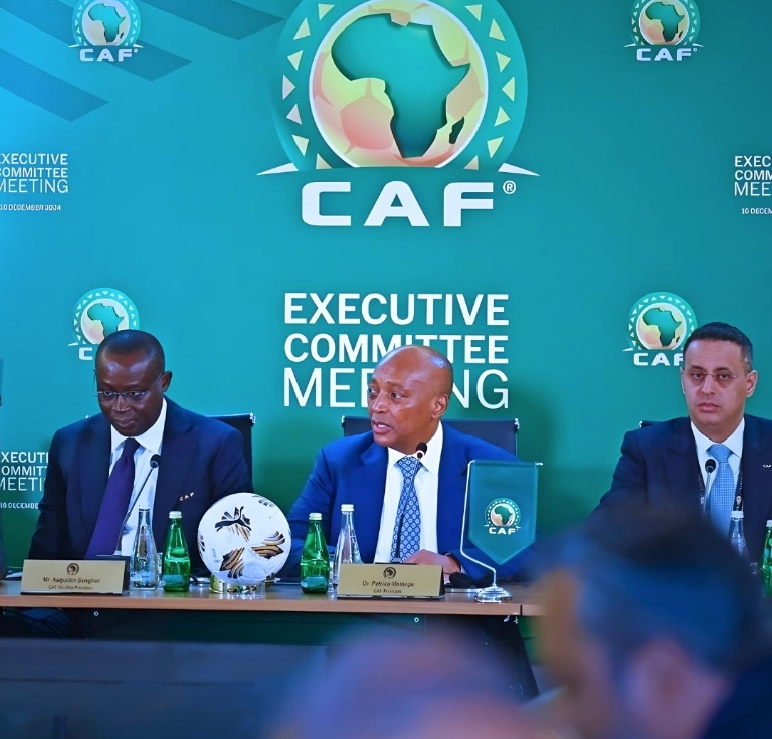
Leaked Message, Secret Meeting Raise Questions Over Transparency in CAF Appeals Decision
By Admin
New revelations have intensified scrutiny over the decision-making process behind the Confederation of African Football’s (CAF) Appeals Board ruling on the 2025 Africa Cup of Nations (AFCON) final.
According to reports by Sport News Africa, a message sent by Augustin Senghor—a member of the Confederation of African Football Executive Committee—to CAF president Patrice Motsepe suggests that senior leadership may have been alerted in advance to a controversial decision.
In the message, Senghor expressed concern over information he had reportedly obtained regarding a closed-door meeting of the CAF Appeals Committee in Cairo. According to his account, the committee had decided to strip Senegal of its AFCON 2025 title and award it to Morocco. Senghor indicated hope that the information was inaccurate, warning that, if confirmed, it would represent a major scandal for African football.
The timing of the message—sent prior to the official publication of the ruling—raises significant governance and transparency concerns. Notably, it appears to contradict public statements by Motsepe, who had indicated he was unaware of the Appeals Board’s decision before it was announced.
The situation has prompted several unresolved questions. Observers are seeking clarity on the circumstances under which the alleged closed-door meeting took place, including who participated and why such deliberations were not publicly disclosed. Further uncertainty surrounds how a member of the Executive Committee could have gained prior knowledge of the outcome, and why no additional details have emerged since the ruling was made public.
The controversy has been compounded by remarks attributed to Mohamed Robleh Djama, a member of the Appeals Committee, who reportedly stated that he neither attended nor took part in the deliberations—further fueling concerns about procedural integrity within CAF.
Longstanding criticism of CAF’s governance, including allegations of limited transparency and institutional interference, has resurfaced in light of these developments. The organization now faces growing pressure to clarify the circumstances surrounding the decision and address questions about its internal processes.
As scrutiny intensifies, it remains unclear how CAF and its leadership will respond to the mounting concerns or whether further disclosures may emerge regarding the alleged meeting in Cairo.

you may also read

- by Niyi Busari ,
- Aug 09, 2026
3SC, Aweroro Part Ways After Historic Continental Qualification
- by Niyi Busari ,
- Aug 05, 2026
2026 NFF Election: North Central FA Chairmen Back Gusau With ...
- by Lastborn ,
- Aug 04, 2026
CAF Executive To Meet Thursday On African Club Competitions Reforms
- by Niyi Busari ,
- Jul 31, 2026
0 Comments:
Leave a Reply