- by Niyi Busari ,
- Jul 02, 2026

NOC Trains Women for Leadership Roles in Sports Administration
-
- by Niyi Busari,
- Mar 30, 2026
- in Nigeria
NOC Trains Women for Leadership Roles in Sports Administration
By Niyi Busari
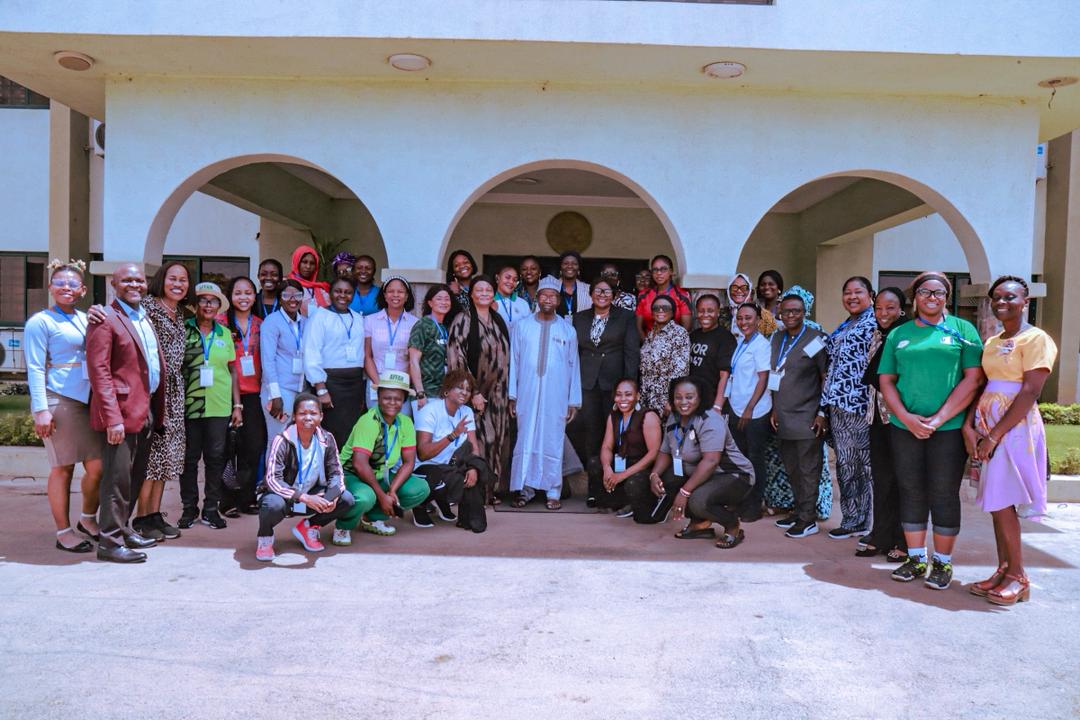
Efforts to position women for greater leadership roles in Nigeria’s sports administration received a significant boost as the Nigeria Olympic Committee, in partnership with Olympic Solidarity, concluded a three-day advanced gender-inclusive governance course in Abuja.
The programme, held from March 24 to 26 at the secretariat of the Association of National Olympic Committees of Africa, brought together 52 participants, including former elite athletes and serving board members of various national sports federations. Of these, 47 attended in person, while five joined virtually.
Designed to address long-standing barriers to female leadership, the initiative provided participants with training aligned to the governance and administrative standards of the International Olympic Committee. The curriculum focused on equipping women with the technical knowledge, strategic insight, and leadership confidence required to operate effectively at the highest levels of sports administration.
President of the NOC, Habu Ahmed Gumel, underscored the importance of inclusive leadership in driving the future of Nigerian sports. He noted that increasing female representation must go beyond numbers, stressing the need for competence, professionalism, and institutional understanding.
According to Gumel, many women already possess valuable experience from their involvement in sports, but structured training in governance and administration is essential to ensure compliance with international standards and to foster sustainable growth within sports institutions.
The course was facilitated by a team of experienced experts, including IOC-certified National Course Director Esther Oluwatoyin Aluko, NOC Administrative Secretary Nweri Emmanuel, and Project Officer Deborah Ijeoma Chidobi. Sessions covered key areas such as governance reform, financial oversight, organisational accountability, safeguarding, and the use of digital tools in sports management.
Participants were also encouraged to take on mentorship roles and replicate the knowledge gained within their respective federations and states, thereby strengthening the pipeline for future female leaders in sports administration.
Beyond the classroom, the programme served as a platform for networking and collaboration, fostering a shared commitment among participants to drive systemic reforms and promote transparency and professionalism across Nigerian sports.
Several attendees highlighted the impact of the training. Rahonatu Garba described the course as an eye-opener, reflecting on her journey from active participation in multiple sports to administrative roles in national federations. Edith Ahum noted that the programme provided valuable exposure to key areas such as administration, logistics, and finance, enhancing her capacity for strategic decision-making.
Sports journalist Uche Tobex Tobechukwu described the initiative as a rare and impactful opportunity, emphasizing its role in advancing female excellence in sports governance.
At the conclusion of the programme, certificates were presented to participants by Gumel, marking what many described as a pivotal step toward redefining leadership structures in Nigerian sports.
The consensus among stakeholders was clear: empowering women in governance is no longer optional, but central to building a transparent, inclusive, and globally competitive sports system in Nigeria.

you may also read
- by Admin ,
- Jul 02, 2026
Nigeria's Para Sports Federations Get New Boards As NSC Advances ...
- by Sampson Adedeji ,
- Jun 24, 2026
0 Comments:
Leave a Reply