- by Niyi Busari ,
- Aug 28, 2026
.jpg.jpeg)
Normalisation Committee: Who Should Serve And What Must They Do?
-
- by Niyi Busari,
- Aug 31, 2026
- in NFF
The Nigeria Football Federation logo
Normalisation Committee: Who Should Serve And What Must They Do?
By Niyi Busari
Nigeria football is at a critical crossroads, and the current crisis within the Nigeria Football Federation (NFF) presents an opportunity to do more than simply organise another election.
The resignation of NFF President Ibrahim Musa Gusau, General Secretary Mohammed Sanusi and members of the Executive Committee has created a leadership vacuum barely a month before the previously scheduled elective Congress in Lafia. The development followed a difficult period for Nigerian football, including the Super Eagles' failure to qualify for the 2026 FIFA World Cup and the Super Falcons' failure to secure a place at the 2027 Women's World Cup.
With the National Sports Commission moving towards a normalisation process, Nigeria must ensure that the proposed Normalisation Committee does not become another centre of political influence or a mechanism for installing preferred individuals.
Its primary responsibility should be to restore credibility, strengthen the football governance framework and prepare the ground for a transparent and legitimate election.
Who should serve?
The quality and independence of the committee will determine the success of the entire exercise.
Nigeria needs people with proven competence, integrity, football knowledge and administrative experience—not individuals selected primarily because of political connections or factional loyalty.
The committee should ideally draw expertise from football administration, sports law and governance, finance and auditing, electoral management, professional and grassroots football, women's football, player welfare, sponsorship and commercialisation.
Credible female representation should also be guaranteed.
Anyone intending to contest the next NFF election should not be allowed to dominate or participate in determining the electoral process. The people organising the election must not be those seeking to benefit from its outcome.
Reform before election
The Normalisation Committee should conduct an independent review of the NFF Statutes, particularly the composition and eligibility of Congress delegates and the electoral framework.
Article 24 establishes Congress as the supreme and legislative body of the NFF, while Article 38 provides for a 19-member Executive Committee and sets eligibility and integrity requirements for its members. The article regarding the number people on the board of the NFF could be reviewed by the Committee
Article 38's integrity requirement should be rigorously applied to prospective candidates, while Article 24's conflict-of-interest provisions should be strengthened to ensure that individuals with serious integrity concerns or incompatible interests do not occupy positions of authority.
The committee must not choose the next leaders
The Normalisation Committee should create the conditions for the football family to choose its leaders; it should not choose those leaders itself.
Its mandate should include reviewing the Congress register, resolving legitimate representation disputes, reviewing the Statutes, establishing a credible electoral process, conducting eligibility and integrity checks, publishing an electoral timetable, organising the Congress and handing over to the elected leadership.
The objective must be a process whose credibility is strong enough that even unsuccessful candidates can accept the result.
Nigeria does not need to replace one cabal with another.
It needs a system in which no cabal can dominate Nigerian football.
State FAs and grassroots football
The reform must also address the weakness of many State Football Associations.
Article 22 recognises the role of State FAs in administering football within their territories. However, many require greater capacity in sponsorship, financial management, competition organisation, scouting and administration.
The new NFF should empower State FAs to return to their core responsibility of developing football by establishing structured partnerships with schools, academies, local clubs, communities and private investors.
Nigeria has abundant football talent. What is lacking is a consistent national pathway for identifying, nurturing and transitioning that talent from the grassroots to professional clubs and national teams.
Players, media and sponsors must have a voice
The rebuilding process must also recognise the importance of players, coaches, referees, supporters, sponsors, the private sector and the media.
Players should have stronger representation on issues affecting their welfare and careers. The media should be treated as an important stakeholder and independent watchdog, while the private sector must be given confidence to invest through transparent and commercially attractive football structures.
Football administration can no longer depend almost entirely on government funding.
Build institutions, not personalities
Nigeria's football conversation has often centred on who should become NFF president. That is important, but the bigger question is what kind of institution the next president will inherit.
A strong institution will survive a weak leader. A weak institution can eventually compromise even a good leader.
The new NFF therefore needs transparent elections, professional administration, credible financial reporting, effective oversight, strong conflict-of-interest rules, stakeholder inclusion and measurable performance targets.
The Normalisation Committee should have one overriding objective: to make itself unnecessary. It should not become another permanent power centre.
If Nigeria gets this process right, the country will not merely produce a new NFF Congress and Executive Committee. It will lay the foundation for a new culture of football administration—one built on integrity, inclusion, accountability and national interest.
The present crisis should therefore not be seen only as a problem to be solved.
It is an opportunity to finally get the foundation of Nigerian football right.

you may also read
- by Lastborn ,
- Aug 27, 2026
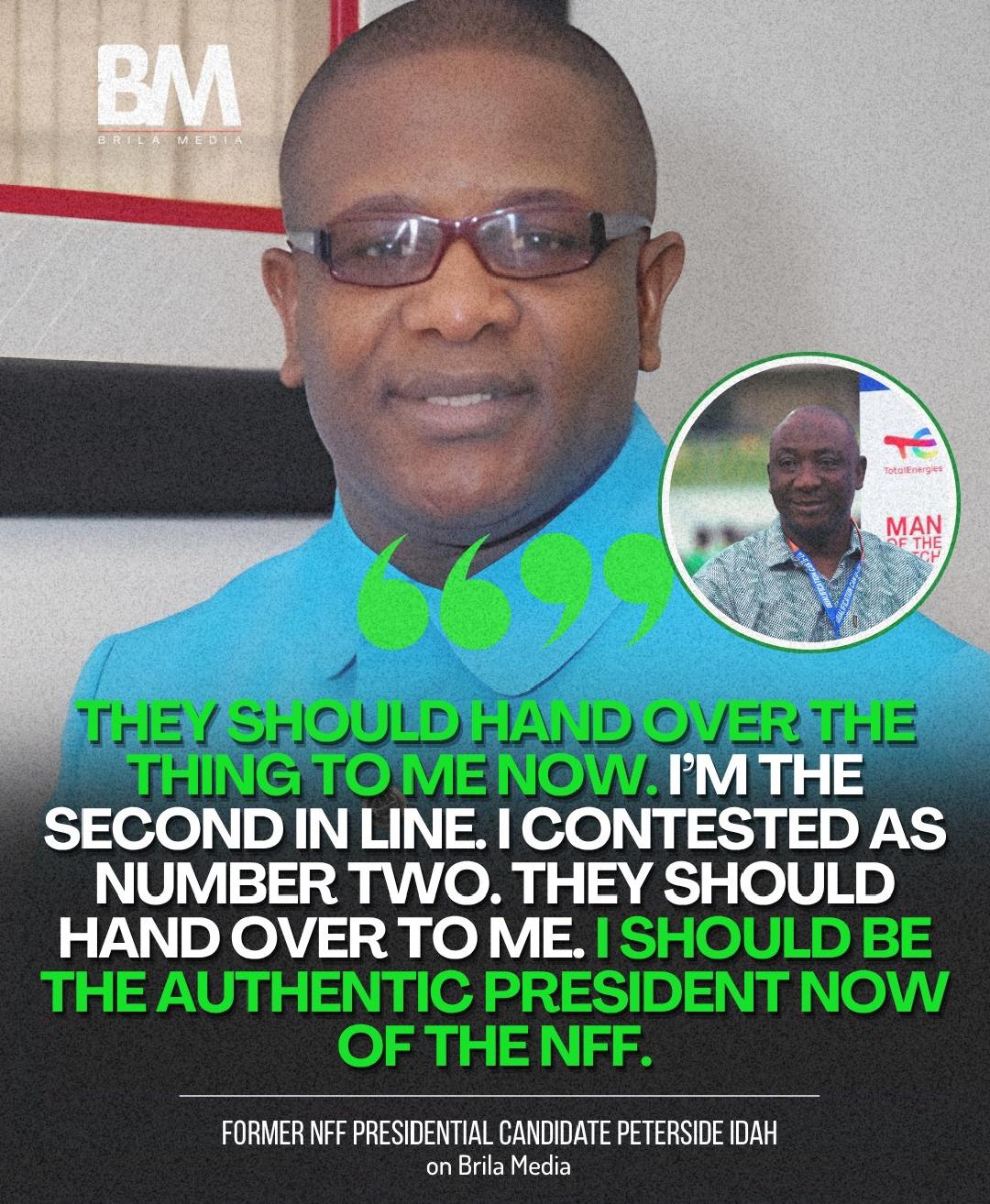
Peterside Idah: I'm Authentic NFF President Following Gusau's Exit
- by Niyi Busari ,
- Aug 27, 2026
NFF’s N6 Billion Adidas Deal Enough To Hire, Pay Eagles, ...
- by Niyi Busari ,
- Aug 27, 2026
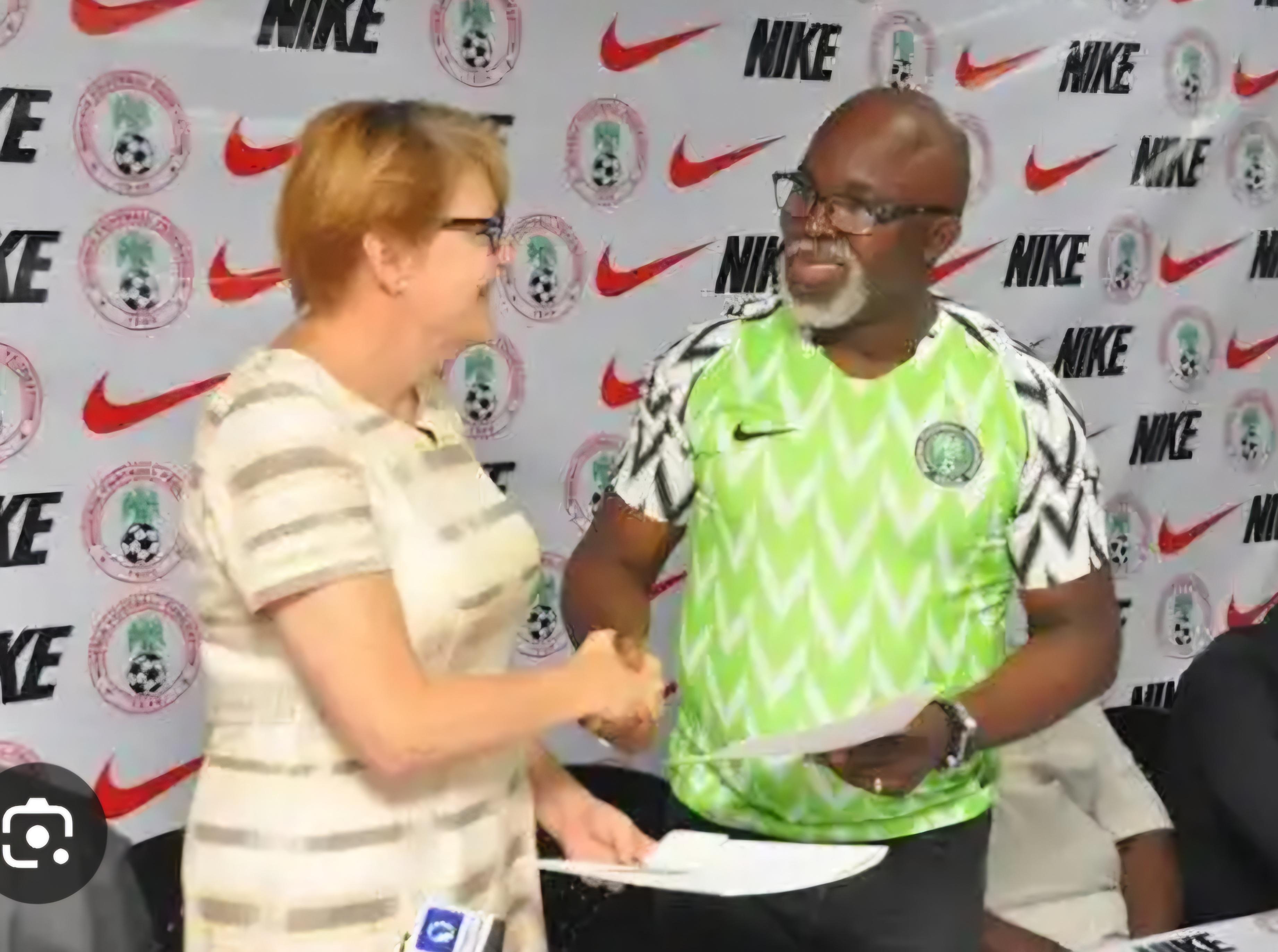
Gusau Indicts Pinnick Over Nike 'Slave' Deals
- by Niyi Busari ,
- Aug 25, 2026
NFF Fact-Finding Report: Amun Reveals Why He Stepped Down
- by Niyi Busari ,
- Aug 11, 2026
‘We Are Not Giving Up’: NFF Apologises Over Super Falcons’ ...
- by Niyi Busari ,
- Aug 04, 2026
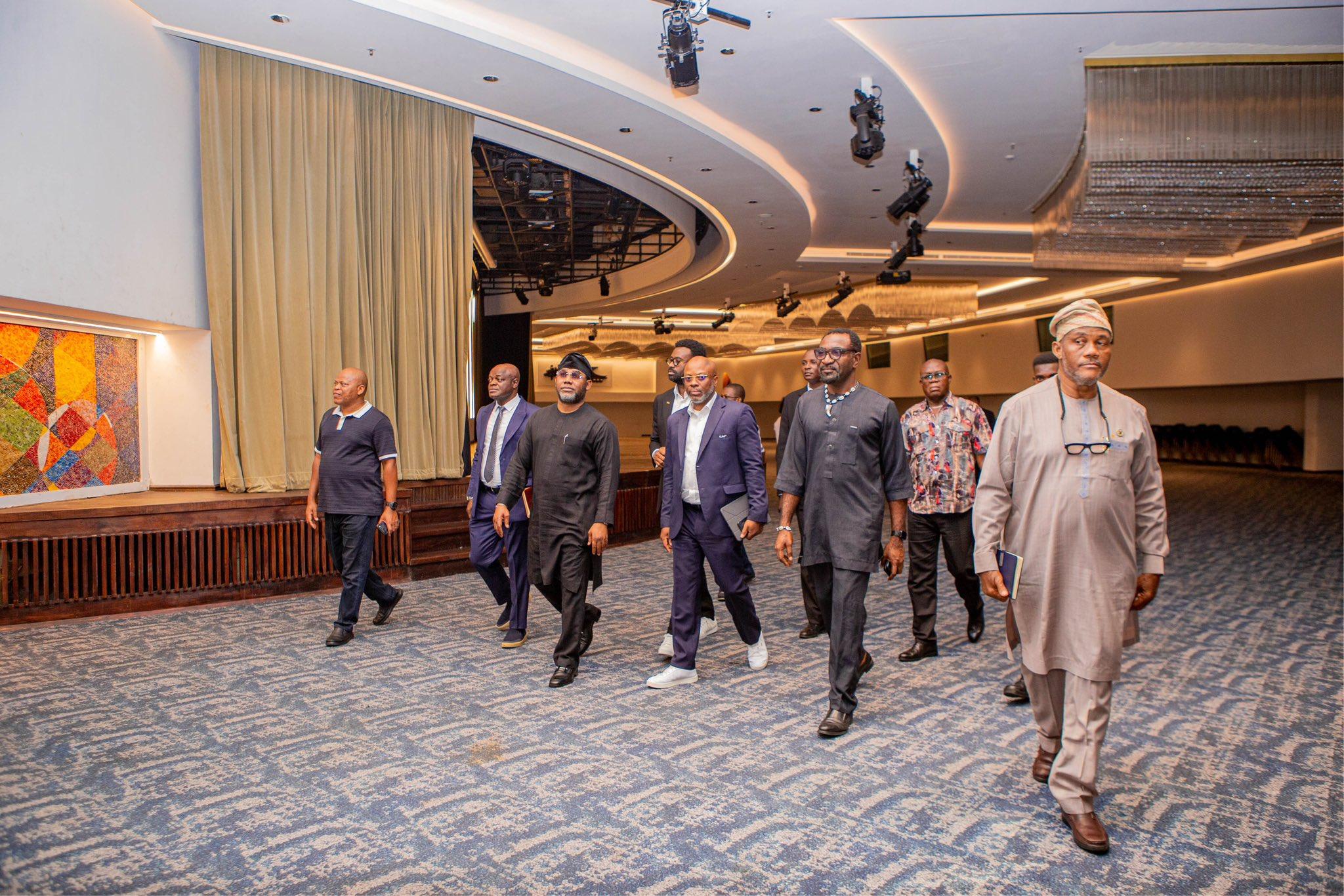
CAF Inspection Team Visits Lagos Ahead Of 2026 CAF Awards
- by Admin ,
- Aug 01, 2026
FIFA Forward Fund: 68-Room Hostel, New Training Pitches Drive NFF’s ...
- by Niyi Busari ,
- Jul 31, 2026
0 Comments:
Leave a Reply