- by Niyi Busari ,
- Jul 01, 2026

Senegal FA Alleges Moroccan Control Of CAF
-

- by Niyi Busari,
- Jan 27, 2026
- in CAF
null
Senegal FA Alleges Moroccan Control Of CAF
By BSN Sports
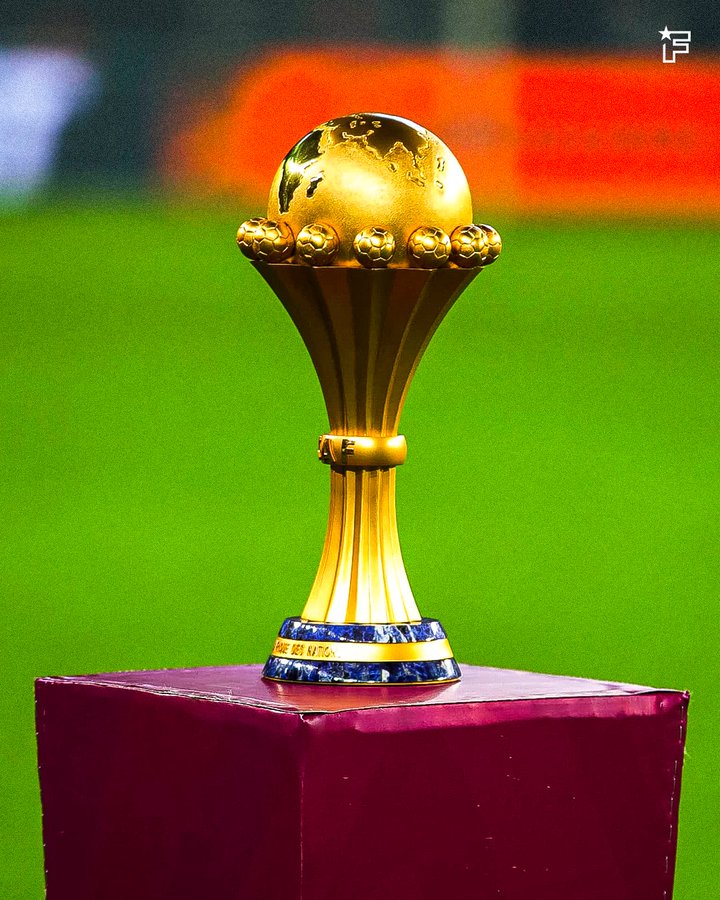
The president of the Senegalese Football Federation (FSF), Abdoulaye Fall, has launched a stinging critique of the Confederation of African Football (CAF) and host nation Morocco, alleging excessive Moroccan influence over the continental governing body following a controversial conclusion to the 2025 Africa Cup of Nations (AFCON).
Fall’s remarks came days after Senegal secured their second AFCON title with a 1–0 victory over Morocco in Rabat. While the triumph marked another historic milestone for Senegalese football, the final itself was marred by protests, officiating disputes and organisational concerns that overshadowed the occasion.
The decisive match descended into chaos late in regulation time when Senegal’s players briefly walked off the pitch in protest after a penalty was awarded to Morocco, moments after a Senegal goal had been ruled out. Play was suspended for several minutes before Senegal returned, the penalty was missed, and the match resumed, ultimately ending with Senegal lifting the trophy.
Speaking in an interview cited by Foot Mercato, Fall accused Morocco of exerting disproportionate control over CAF, claiming that the imbalance extended far beyond decisions made on the field.
“Morocco controls the Confederation of African Football, let’s be clear. They control everything and decide everything,” Fall said.
According to Fall, tensions between Senegal and the host nation began well before the final, citing disputes related to accommodation, training facilities, ticket allocation, security arrangements and refereeing transparency.
“Morocco never believed another team could prevent them from winning the title,” he said. “No country opposed Morocco as strongly as Senegal did.”
Fall revealed that Senegal raised serious concerns over their accommodation ahead of the final, prompting intervention from Senegal’s Ministry of Foreign Affairs. He claimed CAF failed to provide clarity until late in the process.
“Even before qualification, I sent our secretary general to inspect the site,” Fall explained. “We repeatedly asked about the hotel, but they refused to tell us. When we finally found out, it was unacceptable.”
He added that the hotel was located in a noisy city centre and unsuitable for a team contesting a continental final.
The FSF also rejected proposals for the team to train at the Mohammed VI Sports Complex, Morocco’s national team base, which had been used by other visiting teams earlier in the tournament.
“They wanted to force us to train at their main camp,” Fall said. “I made it clear: we would not go there.”
While praising the quality of the complex, Fall argued that training at a facility so closely associated with Morocco posed unacceptable risks.
“It is extremely modern even Senegal does not have infrastructure of that level,” he said. “But training there would expose us completely.”
Security, Tickets and Refereeing Concerns
Fall further alleged that upon arrival in Rabat, Senegal’s delegation lacked adequate security and organisational support. He said the situation only improved after he personally intervened with CAF leadership and Moroccan officials, including Moroccan FA president Fouzi Lekjaa.
According to Fall, enhanced security measures were implemented following a meeting at Morocco’s Ministry of Finance.
Ticket allocation was another major grievance. Fall claimed Senegal received only three tickets for their entire delegation, with no opportunity to purchase additional seats, alleging Morocco had reserved the majority of tickets.
Refereeing transparency also came under scrutiny. Fall said Senegal was informed of the match referee only hours before kickoff, a delay he described as unacceptable.
“We were told it was to protect the referee from pressure,” he said. “In reality, it prevented any challenge or change.”
Fall confirmed that Senegal submitted a formal protest letter to CAF during the match itself.
Fall concluded by reiterating his belief that Morocco’s political and administrative influence within CAF has deterred other nations from speaking out.
“No country has ever opposed Morocco so strongly,” he said. “They hold key positions within CAF, and many nations are afraid to challenge them.”
“Morocco controls CAF. That is the truth,” Fall added. “These are non-negotiable issues.”
The controversy has intensified further following comments from Senegal defender Ismail Jakobs, who suggested that several Senegalese players suffered suspected food poisoning ahead of the final.
As of publication, neither CAF nor the Moroccan Football Federation has publicly responded to the allegations. Fall’s comments are expected to fuel renewed debate over governance, neutrality and power dynamics within African football.

you may also read
- by Niyi Busari ,
- Jul 01, 2026
Madugu Targets WAFCON Title Defence, 2027 World Cup Qualification
- by Sampson Adedeji ,
- Jun 30, 2026
CAF Begins Search For Substantive General Secretary

- by Sampson Adedeji ,
- Jun 19, 2026
CAF Begins Consultations On Key AFCON 2027 Host Events
- by Sampson Adedeji ,
- Jun 03, 2026
0 Comments:
Leave a Reply